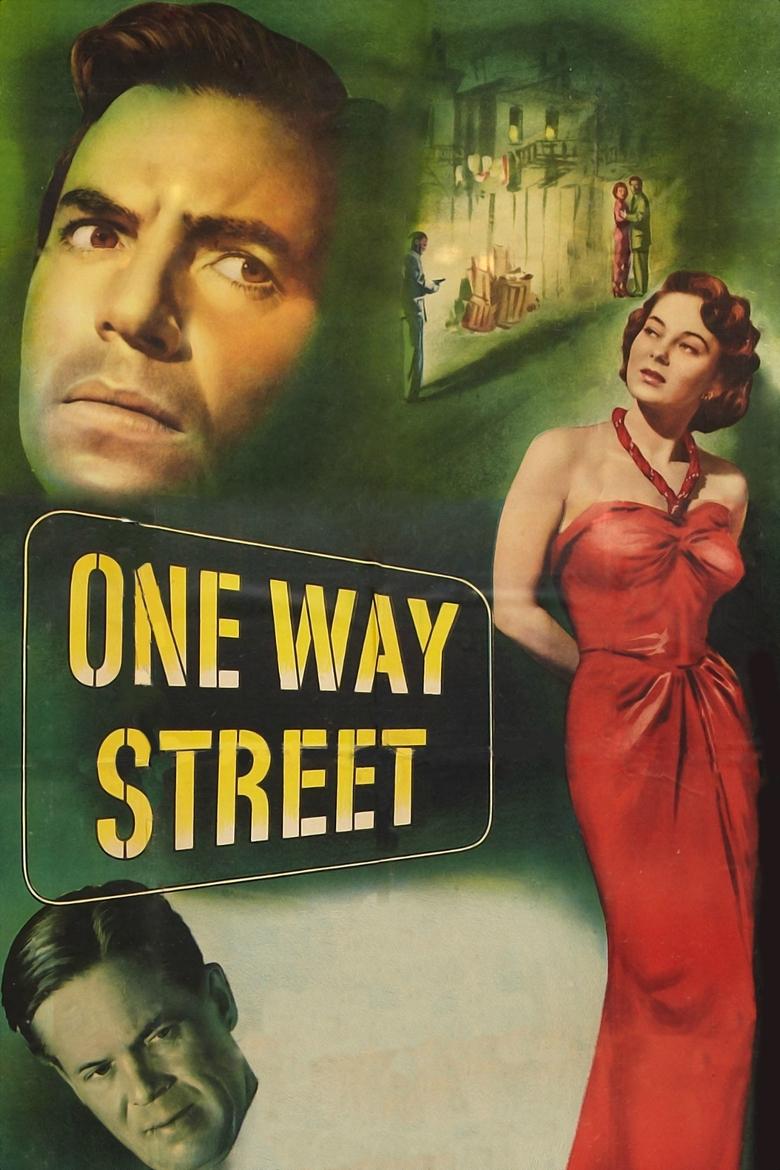
Dr. Frank Matson is a physician in the employ of John Wheeler, a cold-blooded criminal operator with the resources to make problems disappear. When Matson patches up Wheeler's wounded men after a robbery gone wrong, he seizes the moment – and Wheeler's money – and flees south with Wheeler's woman, Laura Thorsen, a nightclub singer who has her own reasons for leaving. The two escape to a remote village in rural Mexico, where Matson intends to wait out whatever retribution Wheeler sends north.
In the village, Matson is drawn reluctantly into the life of the community through Father Moreno, an aging priest who needs a doctor more than he needs explanations. Matson begins practicing medicine again, tending to the poor with the skill he had long since turned toward criminal ends. Laura, caught between the man she has followed and the man she cannot quite trust, watches the transformation with guarded attention. Meanwhile Wheeler, backed by his enforcer Ollie and a local hired hand, closes the distance.
One Way Street works through a structure common to postwar noir – the fugitive seeking erasure of a corrupt past in foreign soil – while allowing its protagonist more ambiguity than the genre typically permits. The film earns its modest reputation not through plot mechanics but through the tension between Matson's professional redemption and the arithmetic of consequence that noir rarely suspends.
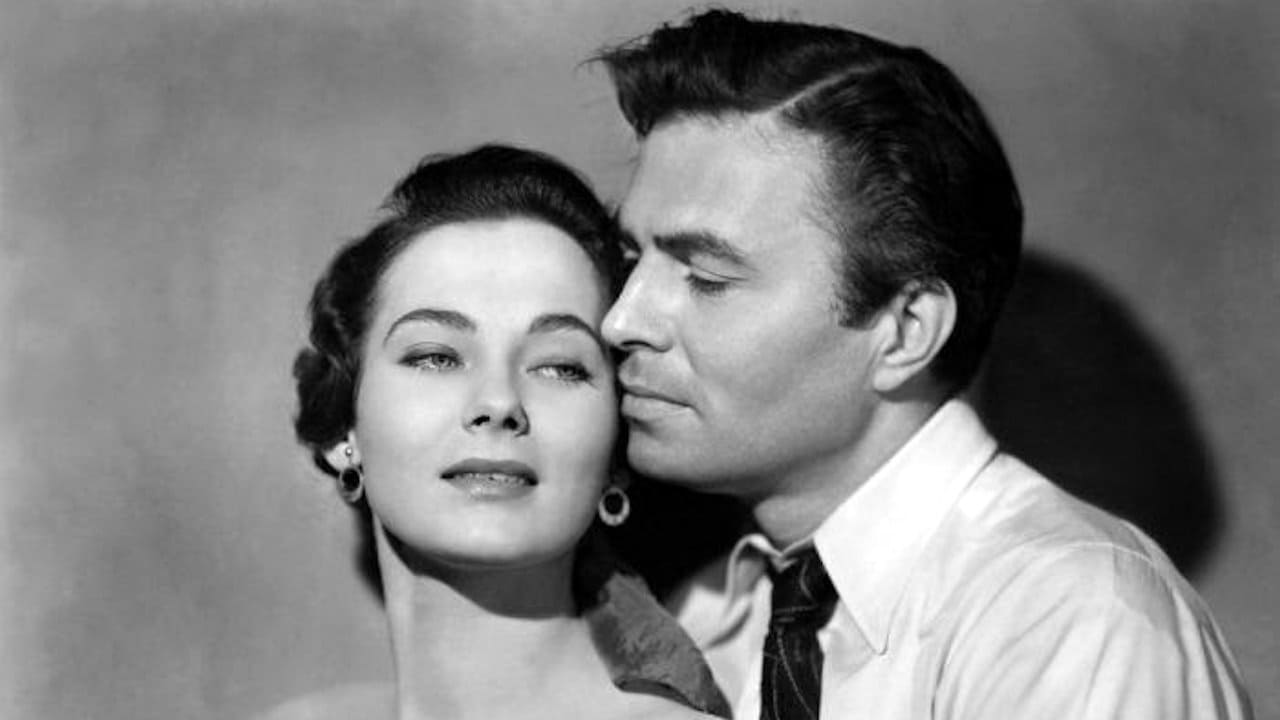
One Way Street occupies a precise corner of postwar Universal International noir: modestly budgeted, quietly serious, and built around a performer capable of suggesting intelligence in slow erosion. James Mason brings to Dr. Matson the combination of exhausted competence and self-knowledge that defines the era's most interesting noir protagonists – men who understand their own damnation well enough to anatomize it. Hugo Fregonese, an Argentine-born director whose Hollywood career never received the critical attention it warranted, handles the Mexican location sequences with an ethnographic patience that distances the film from the studio-bound noir of the same period. Dan Duryea contributes his standard-issue menace as Wheeler, though the role asks little beyond controlled intimidation. The film's central argument – that technical skill detached from moral purpose is merely a weapon in someone else's hand – gives it more weight than its runtime and budget might otherwise support. It is not a film that reshapes the genre, but it uses the genre's architecture honestly.
– Classic Noir
Maury Gertsman lights the examination room in the village clinic with a single dominant source from a high side window, the kind of light that falls across a surgery table and cuts the room in half – illuminated work surface, shadow behind. Mason's face occupies the lit zone only when he is bent over a patient; when he straightens and looks toward the door or the window, the light catches the upper half of his face and leaves the jaw in darkness. The composition does not signal redemption. It holds the moral question open in the same frame.
The scene establishes what the film has been building toward without resolving: that competence is not the same as character, and that the act of healing does not cancel the acts that preceded it. Matson's hands work with precision and care, but they are the same hands. Fregonese refuses the comfortable reading. The light refuses it too.
Maury Gertsman's work on One Way Street reflects the disciplined economy that Universal International imposed on its mid-tier productions – and turns that constraint into a visual logic appropriate to the story. Shooting partly on location in Mexico and partly on studio sets, Gertsman maintains a consistent grammar between the two: tight focal lengths that compress space and limit the sense of escape, hard key lighting with minimal fill that denies characters the ambient safety of a fully lit room. The Mexican exteriors are framed to emphasize enclosure – narrow streets, low doorways, walls that crowd the edges of the image – rather than the romantic openness that location shooting in Latin America sometimes invites. Interior shadow work is placed with purpose: characters are lit where they are acting on their better instincts and fall into darkness in reaction shots where the past reasserts itself. The cinematography does not editorialize, but it maintains a persistent visual argument that geography changes nothing essential.
Tubi has carried Universal International titles from this period and is the most likely free option for domestic viewers, though availability shifts; confirm before seeking.
Archive.orgFreeIf the film has entered the public domain or a print has been deposited, Archive.org provides no-cost streaming without registration, though print quality varies.
Amazon Prime VideoRentalOn-demand rental through Amazon is a reliable fallback for Universal catalogue titles not currently available on subscription platforms.