Films People Pull a Fast One Night Beat Reading Room On TV Shop
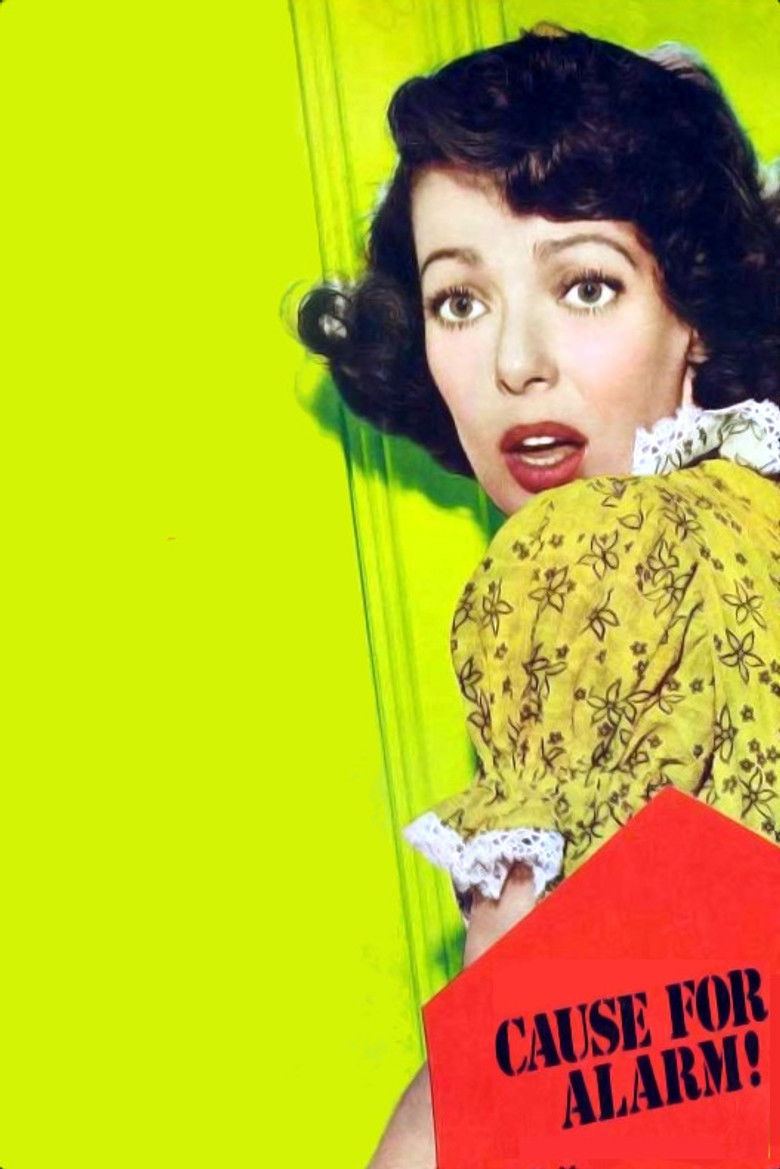
Cause for Alarm 1951
1951 Metro-Goldwyn-Mayer
★★★☆☆ Notable
Film Noir · 74 minutes · Black & White

Cause for Alarm

Directed by Tay Garnett
Year 1951
Runtime 74 min
Studio Metro-Goldwyn-Mayer
TMDB 5.9 / 10
"A letter already mailed can destroy a life – and a guilty conscience does the rest."

Ellen Jones lives in a comfortable suburban house, tending to her invalid husband George, a bedridden cardiac patient whose illness has narrowed their world to a single domestic routine. When George, in a paranoid and irrational fever, dictates a letter accusing his wife and his doctor, Ranney Grahame, of conspiring to murder him, Ellen dutifully addresses the envelope – only to watch with dawning horror as the neighborhood postman, Mr. Carston, carries it away before she can retrieve it.

The letter, once mailed, becomes the engine of the film's suspense. George dies shortly afterward of natural causes, but the accusation now travels through the postal system toward the county district attorney, and Ellen's desperate attempts to intercept it draw her into a tightening web of suburban witnesses, indifferent bureaucrats, and procedural walls. Dr. Grahame, unaware of the letter's existence, moves through the story as an unwitting figure whose reputation and freedom hang on a document neither he nor Ellen can reach.

Cause for Alarm operates at the quieter, more claustrophobic end of the noir spectrum – its menace is bureaucratic rather than criminal, its trap sprung not by a femme fatale or a criminal syndicate but by ordinary domestic life and one impulsive act. The film belongs to a postwar cycle of suburban anxiety pictures that locate danger not in back alleys but in tidy houses, well-lit kitchens, and the implacable routines of civic institutions.
Classic Noir

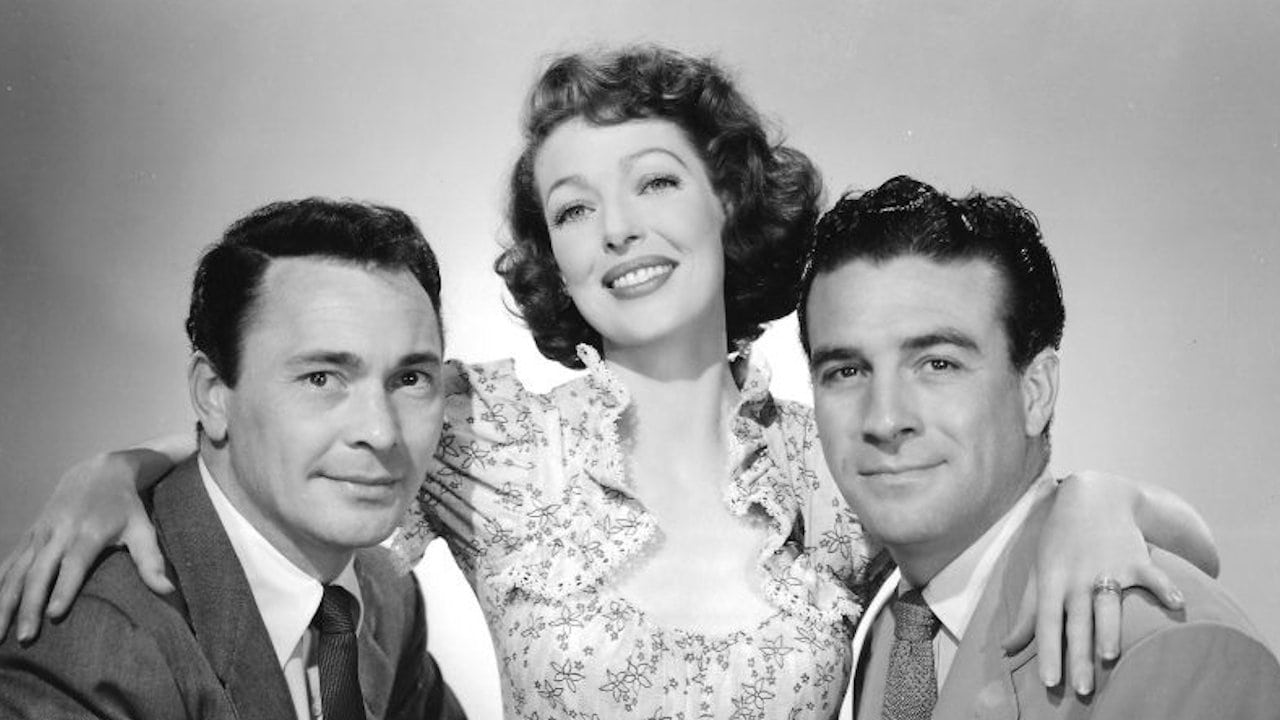
Cause for Alarm is a minor but carefully constructed entry in the MGM noir cycle, distinguished less by its visual ambition than by its sustained attention to the mechanics of dread. Director Tay Garnett keeps the pressure almost entirely psychological, denying the audience any external villain to focus on – the antagonist is circumstance itself, compounded by a dead man's paranoia and the indifferent efficiency of the postal service. Loretta Young, typically associated with warmth and moral clarity, is well deployed here precisely because her image works against expectation: Ellen is no femme fatale, and her danger is real rather than engineered. Barry Sullivan's George is a portrait of illness curdling into malice, and the film is candid about the cruelty ordinary men can impose from positions of physical weakness. What the film reveals about its era is the degree to which postwar domesticity contained its own latent violence – the suburban house not as haven but as a closed system where resentment accumulates without outlet. At 74 minutes it does not overstay its premise.

– Classic Noir
3 ★★★☆☆ Notable
Credits

The Crew

DirectorTay Garnett
ScreenplayMel Dinelli
CinematographyJoseph Ruttenberg
MusicAndré Previn
EditingJames E. Newcom
Art DirectionCedric Gibbons
ProducerTom Lewis
Performances

The Cast

Close Reading

The Signature Scene

Cause for Alarm – scene
The Neighborhood Errand The Letter Leaves Her Hands

The camera holds on Ellen at street level as she realizes the postman has taken the letter – Ruttenberg's lens keeps her face in shallow focus against the flat brightness of a midday suburban street, a composition that refuses the shelter of shadow. The sunlit ordinariness of the setting is the film's most deliberate formal choice: there is no expressionist darkness here, no rain-slicked pavement, only the merciless clarity of an ordinary afternoon. Ellen moves in a frame crowded with the textures of normalcy – hedges, a postal satchel, a departing back – and the effect is suffocation without shadow.

The scene crystallizes the film's central argument: that guilt, even unearned guilt, is inseparable from powerlessness. Ellen has committed no crime, but the machinery of civic life does not pause to consider innocence. The letter is already gone. The scene locates the horror not in what a person does but in what a person cannot undo – a specifically postwar anxiety about systems that move faster than individuals can correct their mistakes.

Visual Language

The Cinematography

🎞️
Joseph Ruttenberg – Director of Photography

Joseph Ruttenberg's cinematography for Cause for Alarm makes a deliberate choice that distinguishes it from the deep-shadow conventions of the genre: the film is largely shot in high-key light, staging its suspense in the overexposed world of American suburbia rather than in the expected nocturnal palette. Ruttenberg, an MGM contract cinematographer whose range extended from musicals to melodramas, uses the studio's controlled interiors to build oppression through proximity and tight framing rather than through chiaroscuro. The Jones house becomes a series of constricting medium shots, the walls always present at the frame's edge. When shadow does appear – in George's sickroom, where venetian blind patterns fall across his face – it functions as a precise marker of his psychological state rather than as atmospheric decoration. The overall effect is a visual argument that danger is not a creature of the dark but can exist equally in the unforgiving brightness of a Tuesday morning, which is precisely the moral logic the film wants to press.

In the Catalogue

Themes & Motifs

Availability

Where to Watch

Also in the Directory

See Also