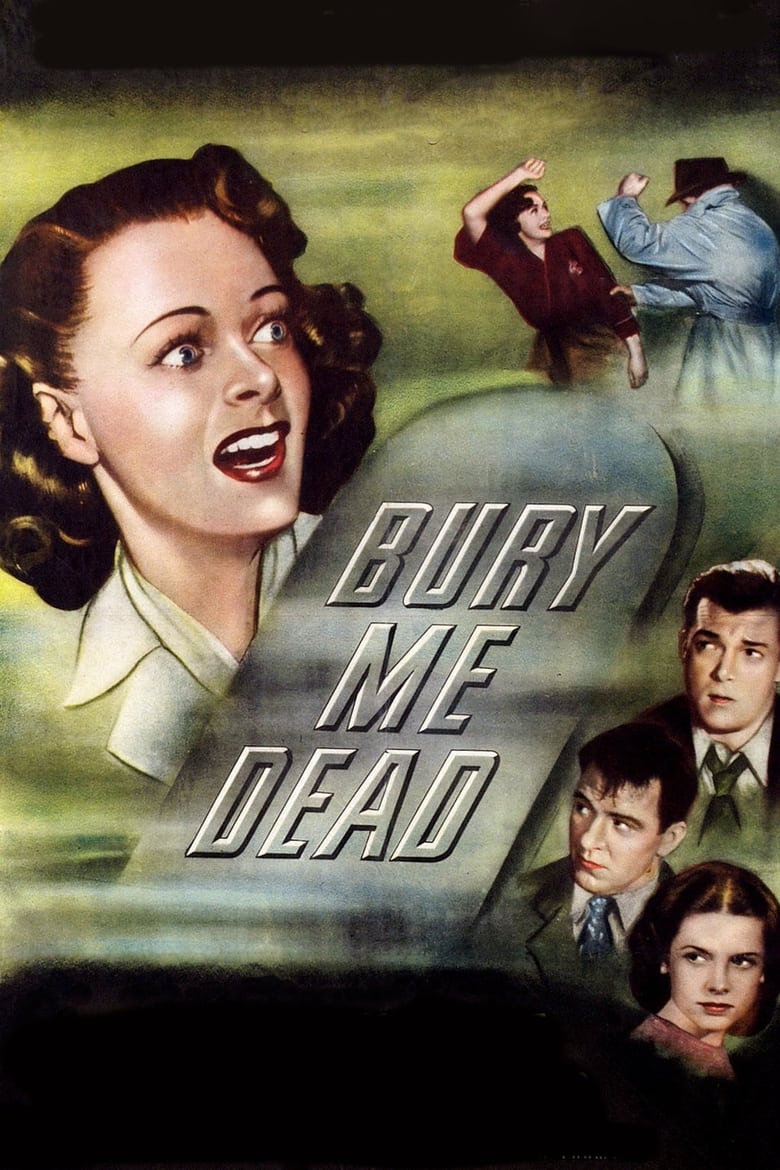
Barbara Carlin returns home after a long absence to discover that she has been declared dead and buried. A body was found on the Carlin estate and identified as hers, yet Barbara stands very much alive, shut out of her own inheritance and her own name. The estate is now controlled by figures with competing interests: her brother Rod, his scheming associate George Mandley, and the quietly watchful housekeeper and butler who have served the family through too many secrets. Attorney Michael Dunn is drawn into the case, along with Rusty, a young woman whose connection to the dead girl gradually becomes the film's moral center.
As Barbara presses to learn whose body was buried in her name, loyalties inside the household fracture. Mandley's financial motives surface, Rod's passivity begins to look like complicity, and the identity of the dead woman pulls the investigation toward uncomfortable truths about class, desperation, and who gets to disappear without consequence. Michael Dunn moves between Barbara's legitimate claim and a legal and moral maze that the Carlin money has deliberately obscured. Rusty, positioned initially as a secondary presence, accumulates significance as the investigation closes in on the truth about the unidentified woman.
Bury Me Dead belongs to the cycle of late-1940s identity noir in which the stable self becomes a site of contest and erasure. The film draws on the woman's picture tradition while pushing it toward harder, more transactional territory, using the inheritance plot as a framework for examining how wealth insulates the guilty and renders the powerless invisible. At sixty-eight minutes, it operates with the economy of B-picture production while sustaining a genuine atmosphere of unease.
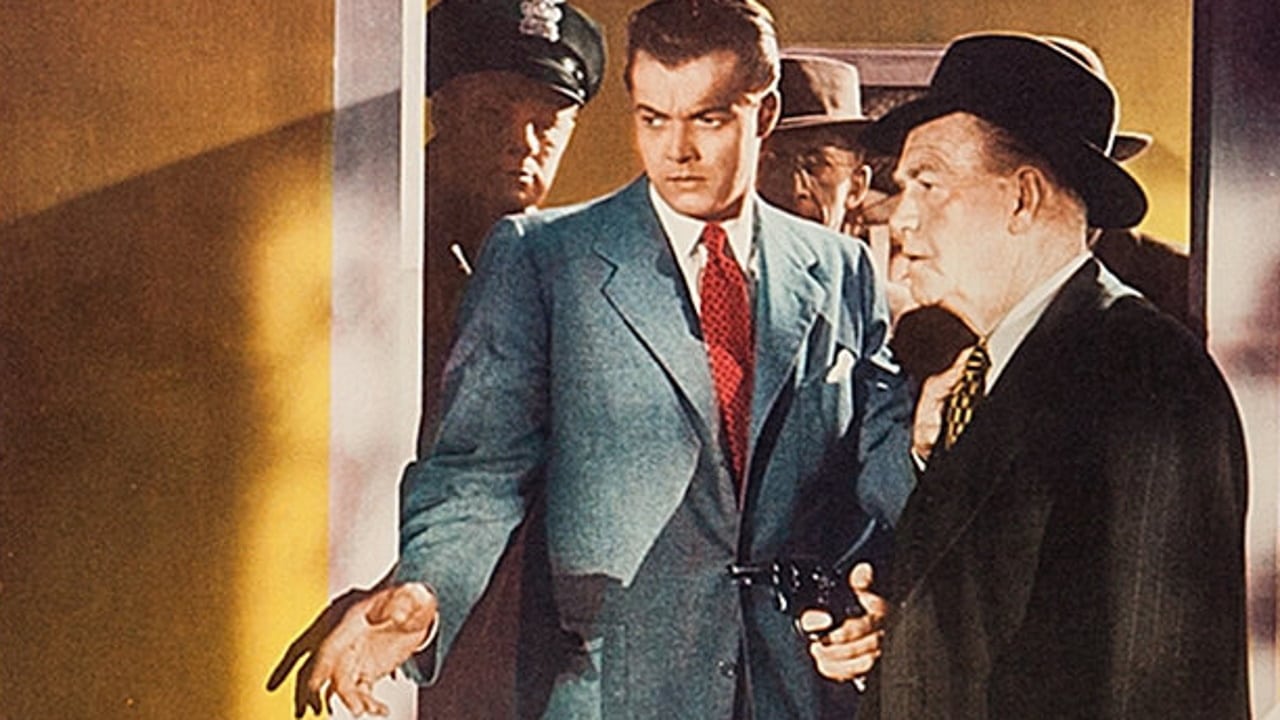
Bury Me Dead is a PRC production, which means it operates under the constraints of poverty-row budgets and compressed schedules, yet it earns attention precisely because those constraints are met with craft rather than indifference. Bernard Vorhaus, a director whose career was already shadowed by political pressures that would soon end it, handles the material with controlled economy. The film's premise – a living woman dispossessed by her own false death – belongs to a recurring noir preoccupation with identity as property, something that can be stolen, transferred, and legally laundered. What distinguishes the treatment here is the attention to the body at the margin: the unidentified dead woman whose erasure enables everyone else's scheming. Rusty, played by Cathy O'Donnell in an early role, carries this moral weight quietly, and her performance holds more depth than the film's B-picture classification tends to invite. The film does not fully resolve the tensions it raises, but its acknowledgment of them places it above routine programmers of the period.
– Classic Noir
John Alton frames the gravesite sequence with a low camera angle that places the headstone against a sky drained of ambient light. A single hard source – positioned to suggest a lantern or flashlight held just off-frame – carves the stone's engraved name out of the surrounding dark, leaving the faces of the figures who stand over it largely unresolved. The composition isolates the name as the scene's true subject: everything human recedes, and the inscription holds the center of the frame with the weight of a legal document.
The sequence crystallizes the film's argument about identity and erasure. Barbara Carlin confronts evidence of her own legal nonexistence, and Alton's refusal to illuminate her face fully at this moment is precisely right – she is, by the logic of the estate and the courts, not there. The grave does not mourn her; it replaces her. The scene establishes that the horror in this film is not supernatural but administrative, the quiet violence of a name transferred to a stranger's bones.
John Alton's contribution to Bury Me Dead is the clearest argument for taking the film seriously. Working within PRC's limitations – restricted studio space, minimal location flexibility, tight schedules – Alton applies the low-key methodology he had already refined and would theorize in his 1949 manual Painting with Light. Shadows here are not decorative; they are structural. Alton suppresses fill light to a degree that most studio cinematographers of the period would have considered unacceptable, allowing characters to enter and exit legibility as moral and narrative conditions shift. His lens placement favors slight low angles that lend even domestic interiors an atmosphere of instability. The estate's corridors become ambiguous spaces where depth is suggested rather than shown, and where the eye is directed to surfaces – a nameplate, a document, a headstone – rather than to the faces that surround them. This visual logic mirrors the film's thematic concern with the displacement of persons by their legal and financial representations.
Bury Me Dead is in the public domain and streams in full on Archive.org, making it the most immediately accessible option, though print quality varies by upload.
TubiFreeTubi has carried PRC titles from this period intermittently; availability should be confirmed, but the platform is a reliable first stop for poverty-row noir.
KanopyFree with library cardKanopy occasionally carries mid-tier noir titles through its classic film licensing agreements; check local library access for current availability.