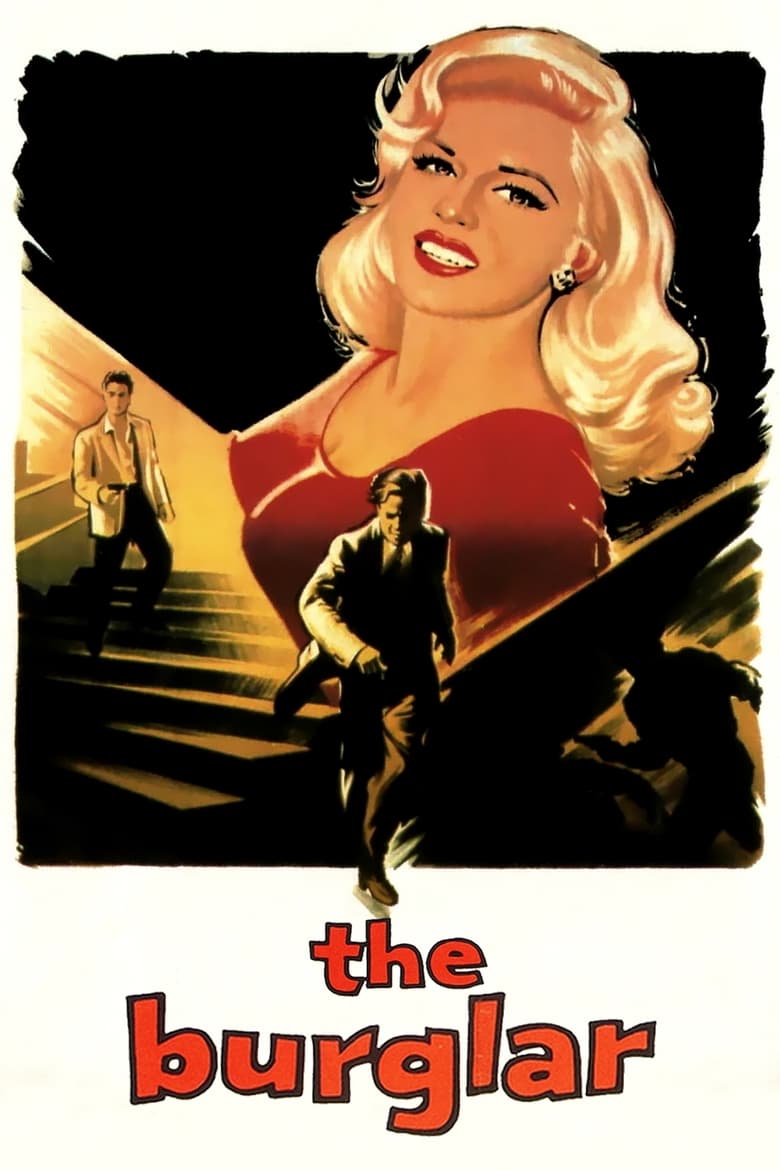
Nat Harbin (Dan Duryea) is a career burglar operating in Atlantic City with a small, tightly bound crew. The film opens in the aftermath of a jewel theft from a spiritualist's estate – a job that should have been clean but carries complications from the start. Harbin feels a protective, quasi-paternal obligation toward Gladden (Jayne Mansfield), the daughter of his late partner and the only person he allows close. That obligation clouds his judgment at every turn.
As Harbin tries to fence the stolen gems and hold his crew together, pressure builds from multiple directions. Dohmer (Mickey Shaughnessy), the muscle of the outfit, grows unreliable and dangerous. Della (Martha Vickers), a woman with her own agenda, enters the picture and complicates Harbin's already strained loyalties. Meanwhile, the corrupt Baylock (Peter Capell) pursues the crew with an interest that goes beyond routine police work, suggesting the line between law and criminality is less a boundary than a convenience.
The Burglar belongs to the mid-decade strain of noir that strips away romantic fatalism in favor of something colder and more procedural. It traces the mechanics of how a criminal enterprise unravels – not through a single catastrophic betrayal but through the accumulation of small miscalculations, misplaced trust, and the exhaustion of men who have been running too long. The Atlantic City locations give the film a weathered, off-season texture that suits its mood precisely.
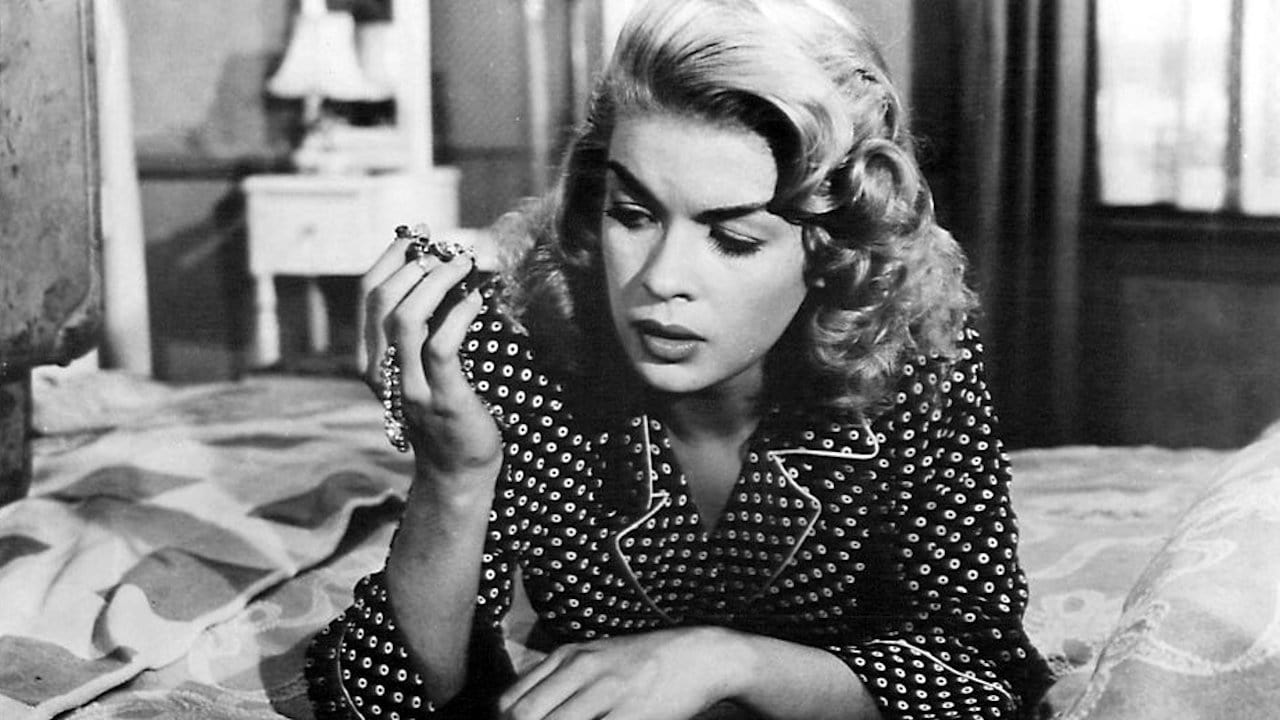
Paul Wendkos made his feature debut with The Burglar, adapting David Goodis's own screenplay from his 1953 novel, and the Goodis fingerprint is unmistakable: a protagonist already beaten down before the story begins, loyalty as a form of self-destruction, and an atmosphere of pervasive dread that owes nothing to glamour. Duryea, typically cast as a weaseling villain, finds something more interior here – Harbin is weary, deliberate, and quietly doomed in ways the actor rarely got to explore. Mansfield, largely freed from the bombshell persona Columbia would otherwise have demanded, is more affecting than her detractors allow. The film's real achievement is tonal: it refuses the propulsive energy of the heist picture in favor of a kind of muted inevitability, and it locates that inevitability in the specific loneliness of postwar American transience – rooming houses, boardwalks out of season, faces that belong to no particular place. Shot on location in Philadelphia and Atlantic City, it carries a documentary drabness that keeps the noir atmosphere grounded and credible.
– Classic Noir
The camera holds Duryea in medium shot against the wide, grey Atlantic, the boardwalk empty and the light flat and overcast. Don Malkames resists the obvious move – there is no dramatic low angle, no expressionist shadow play. Instead the frame is open and indifferent, the horizon line cutting the image roughly in half, the sea filling the upper register with a toneless expanse that mirrors nothing so much as exhaustion. Harbin stands still while the space around him is restless, the water moving without direction.
The scene functions as a resting point in the film's accumulation of pressure, but it is not relief. Harbin's stillness reads as stasis rather than composure – a man who has stopped calculating and begun simply waiting. The open geography that might signify freedom in another kind of film reads here as exposure. There is nowhere to go that the film's logic will permit, and the image makes that argument without dialogue.
Don Malkames, a cinematographer with roots in documentary and independent production, brings an unglamorous precision to The Burglar that distinguishes it from studio-bound noir. Shooting extensively on location in Philadelphia and Atlantic City, Malkames uses available-light sources where they exist and constructs his artificial lighting to honor rather than override the existing environment – the result is a visual texture closer to the newsreel than to the chiaroscuro of the classical period. Shadow work is present but functional rather than decorative: darkness pools in doorways and corridor corners not to aestheticize menace but to register the genuine constriction of the spaces these characters inhabit. When interiors do appear, Malkames favors slightly wider lenses that keep background and foreground in productive tension, reinforcing the sense that threat can arrive from any depth of field. The overall strategy serves the Goodis source material faithfully – a world in which the environment is not backdrop but antagonist, and in which the camera's refusal to romanticize is itself a moral position.
Tubi has carried The Burglar in a watchable transfer and remains the most accessible free option for this title.
Archive.orgFreeA public domain print is available on Archive.org, though transfer quality varies; verify the source before committing to a full viewing.
Amazon Prime VideoRentalA paid rental option is periodically available through Amazon's third-party classical catalogue partners; check current availability.